Works council and union, the German difference
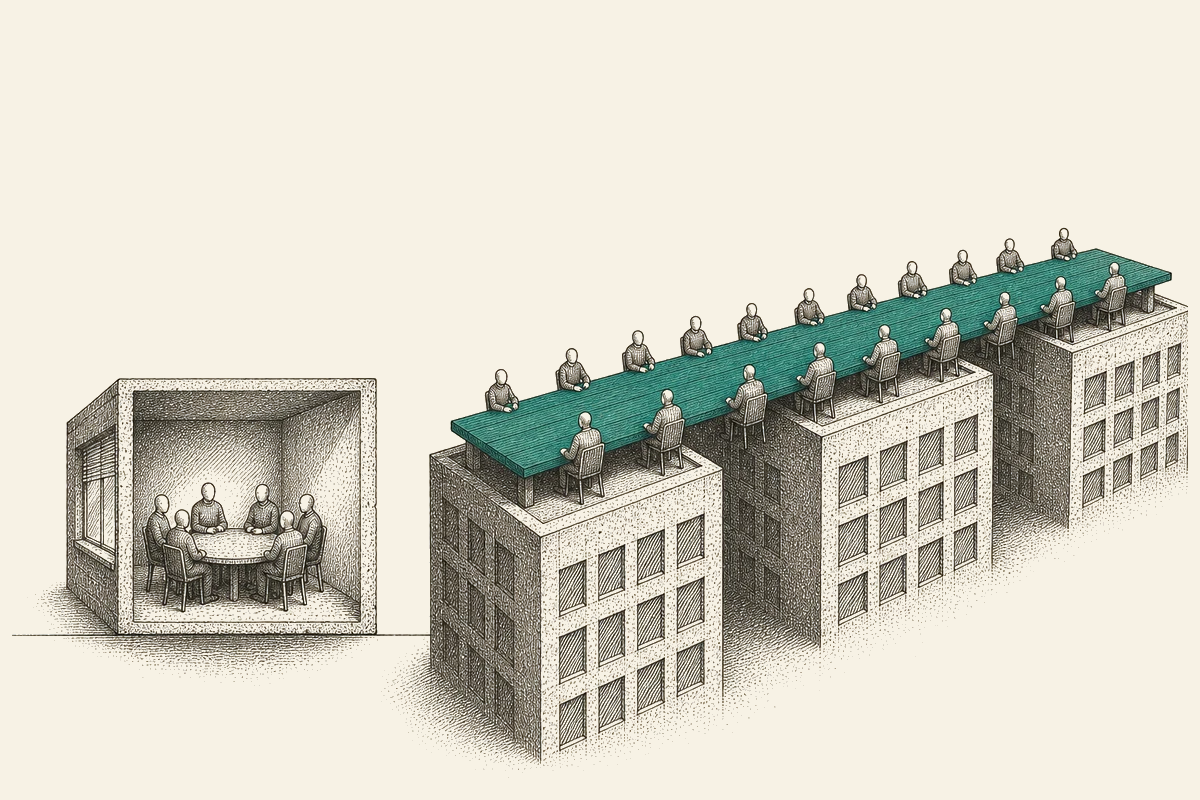
A Betriebsrat and a Gewerkschaft are not the same thing. One is a legal body inside your company, the other negotiates pay across an industry.
A lot of people arriving in Berlin tech hear "works council" and "union" used as if they mean the same thing. In Germany they are two separate institutions with different jobs, and the difference is worth understanding before you vote in one or get organised by the other.
The works council
A works council, or Betriebsrat, is a body of employees elected by the staff of one company. Executives cannot sit on it. It has co-determination rights written into law, which means the employer has to consult it on things like working hours and the way layoffs are handled, and it can take the company to a labour court if those rights are ignored. It is funded by the employer, and its members keep their normal pay. The catch is that a works council on its own cannot call a strike.
The union
A union, or Gewerkschaft, sits outside any single company and organises workers across a whole sector. Its main lever is collective bargaining, the negotiation of pay and conditions for a whole industry, backed by the real threat of a strike. In German tech this is still rare, though that is shifting in a few of the larger Berlin companies. A union and a works council often work in tandem: the council uses its legal rights day to day, and the union supplies the organised pressure the council on its own does not have.
This post is not here to tell you to join either one. It is here so that when your employer announces a works council election, or a union starts organising in your building, you know which of the two you are actually looking at.
New Berlin startup roles in your inbox, every morning, Monday to Saturday. Pulled straight from company career pages, filtered to exactly what you ask for. This alert covers every role. Browse roles and apply filters first if you want to narrow it.
Double opt-in, one-click unsubscribe, no tracking. See privacy for the details.